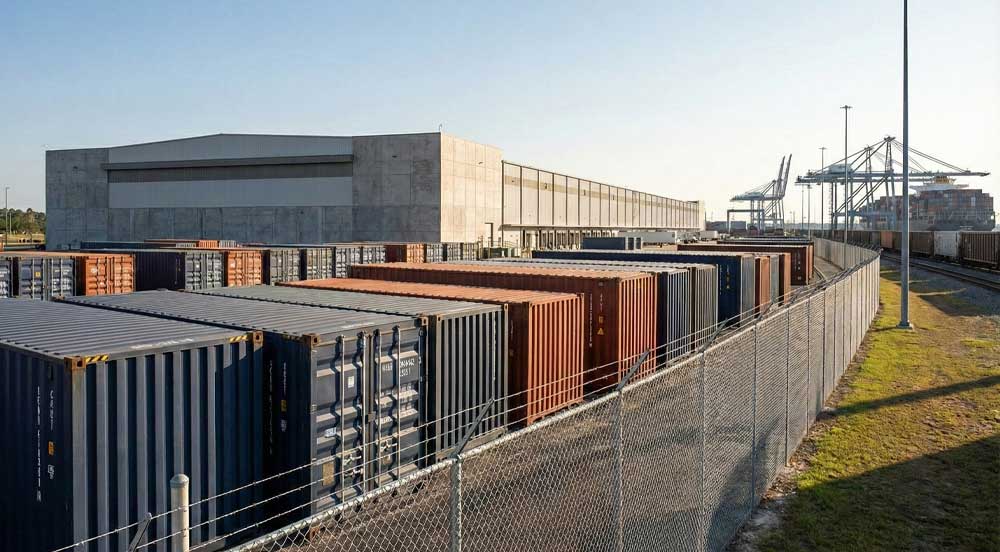
At SHIP8, we work directly with importers and brands moving freight through the Port of Savannah and across the Southeast U.S., helping them navigate complex logistics decisions with confidence.
Before getting into the advantages, it’s important to level-set on what a U.S. Customs bonded warehouse actually is.
What Is a U.S. Customs Bonded Warehouse?
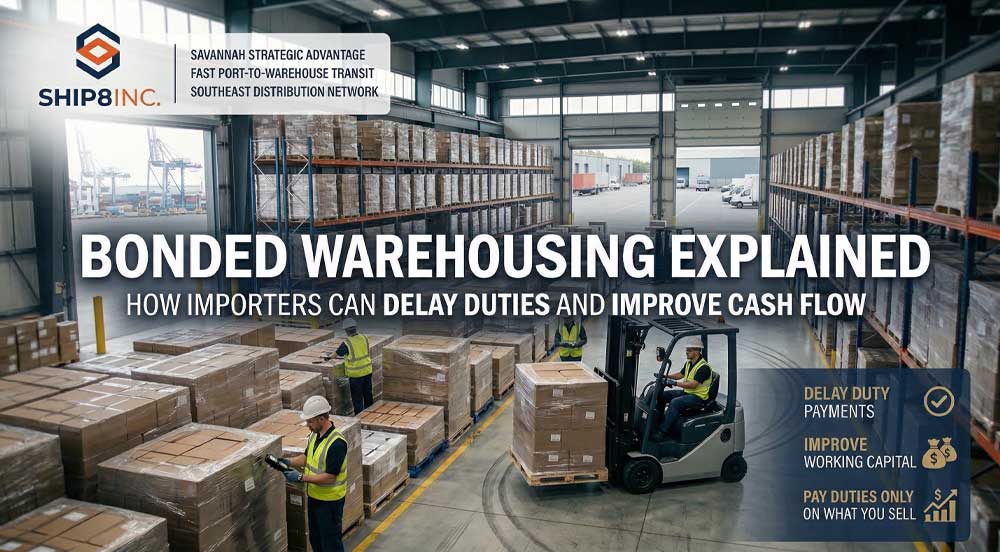
A U.S. Customs bonded warehouse is a secure facility authorized and overseen by U.S. Customs and Border Protection (CBP) where imported goods can be stored without paying duties or tariffs upfront.
Duties are deferred until the goods are officially released into U.S. commerce. If the goods are re-exported, U.S. duties are never paid.
Bonded warehouses operate under strict CBP controls, including inventory tracking, reporting, audits, and physical security requirements. This is what separates bonded warehousing from standard storage—and why the experience and compliance discipline of the operator matters.
1. Defer Duties and Tariffs While Inventory Is Positioned in Savannah
For importers moving freight through the Port of Savannah, bonded warehousing allows duties and tariffs to be deferred until inventory is actually needed in the U.S. market.
Why this matters:
- Cash is not tied up the moment containers land
- Duty payments align more closely with sales velocity
- Inventory can be held during congestion, demand shifts, or allocation decisions
It’s important to note: duties are paid when goods enter U.S. commerce, not when they arrive at the port. Bonded warehousing gives you control over that timing.
2. Use Savannah as a Strategic Staging Point for Southeast Distribution
Savannah’s location makes it one of the most effective inbound gateways for Southeast distribution.
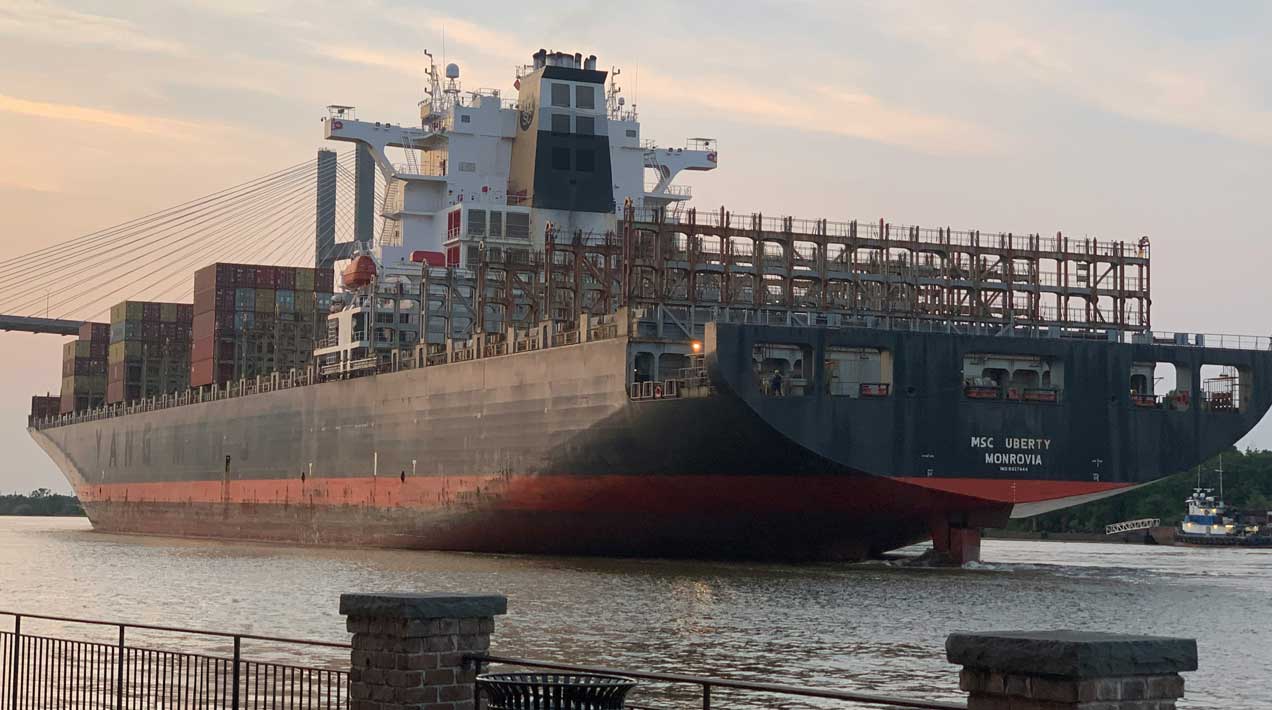
A bonded warehouse in the Savannah market provides:
- Direct access to I-95, I-16, and I-75
- Fast reach into Georgia, Florida, the Carolinas, and beyond
- Rail connectivity for inland distribution
By staging imported goods under bond near the port, companies can release inventory into Southeast markets based on real demand rather than forecasts—reducing overexposure and improving service levels.
3. Enable Re-Export, Repackaging, and Value-Added Services Under Bond
Bonded warehouses are not limited to passive storage.
Under CBP authorization, approved activities may include:
- Re-exporting goods without paying U.S. duties
- Relabeling or repackaging for different markets
- Kitting or light assembly
For companies serving both domestic and international customers, bonded warehousing near the Port of Savannah creates flexibility that standard warehousing cannot offer.
4. Reduce Risk Through CBP Oversight and Compliance-Driven Operations
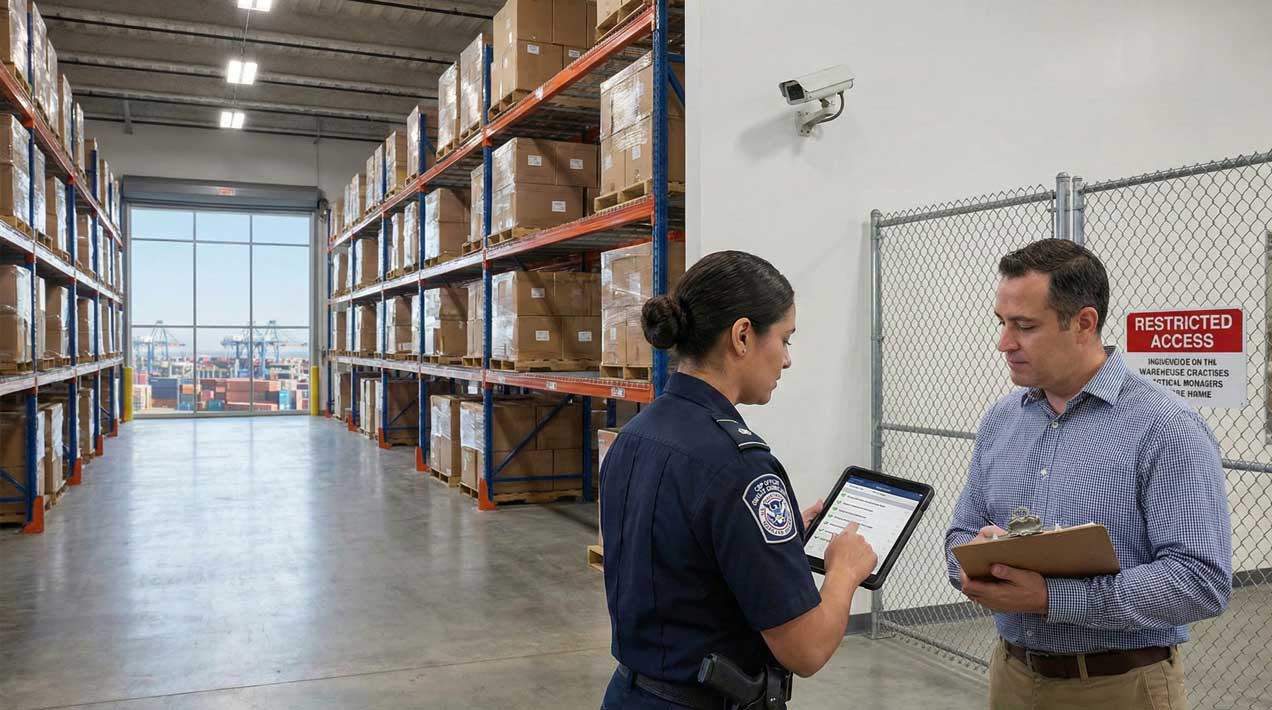
Bonded warehousing operates under continuous CBP oversight, with requirements around:
- Inventory controls and reporting
- Physical security and access controls
- Audit readiness and documentation
This is why the bonded warehouse operator matters. A compliant, experienced 3PL protects customers from costly errors, shipment delays, and regulatory exposure—especially in a high-volume port environment like Savannah.
5. Support Scalable U.S. Market Entry Through the Port of Savannah
For international brands entering the U.S. market, Savannah is often the first point of entry.
Bonded warehousing allows companies to:
- Import in bulk through Savannah
- Store inventory under bond
- Gradually release goods into U.S. commerce as demand develops
This creates a controlled, capital-efficient path to scaling U.S. distribution—particularly across the Southeast.
Why a Savannah-Based Bonded Warehouse 3PL Matters
Bonded warehousing is not just about storage—it’s about execution.
A Savannah-area bonded 3PL should provide:
- Proximity to the Port of Savannah
- Integrated drayage, warehousing, and fulfillment
- Transparent duty tracking and compliance processes
- Operational experience with CBP requirements
At SHIP8 INC., bonded warehousing supports real execution across Georgia and the Southeast, not just regulatory compliance.
Talk to a Bonded Warehouse Specialist
Customs Bonded Warehouse FAQs for Savannah Importers
A Savannah Customs Bonded Warehouse is a CBP-authorized facility where imported goods arriving through the Port of Savannah can be stored without paying duties for up to five years.
Duties are paid only when goods are withdrawn for U.S. domestic consumption. Items re-exported from Savannah do not incur U.S. duties.
Yes. Approved services may include relabeling, repackaging, kitting, and light assembly under Customs supervision.
Bonded warehousing is ideal for:
– Importers using the Port of Savannah
– Southeast manufacturers and distributors
– International brands entering U.S. markets
– Companies managing seasonal or high-value inventory
Operational costs may be slightly higher, but duty deferral, improved cash flow, and reduced compliance risk typically deliver net savings.
Final Thoughts: Bonded Warehousing as a Southeast Advantage
Savannah is no longer just a port—it’s a strategic logistics gateway for the Southeast. A locally operated U.S. Customs Bonded Warehouse gives importers the flexibility, financial control, and compliance confidence needed to compete in today’s market.
If your business moves freight through Savannah—or plans to—bonded warehousing can be a powerful part of your logistics strategy.